inclusive-team
E-Experience
In the high-pressure environment of Saudi Arabia’s Giga-projects, we often measure onboarding success by logistical speed. Was the Iqama issued in 5 days? Is the laptop configured? Is the employee registered in Qiwa?

In the high-pressure environment of Saudi Arabia’s Giga-projects, we often measure onboarding success by logistical speed. Was the Iqama issued in 5 days? Is the laptop configured? Is the employee registered in Qiwa?
While these "Hardware" elements are critical for compliance, they do not predict retention. The "Software" of onboarding—specifically Communication Style Alignment—is where the battle for talent is actually won or lost.
Recent global HR analysis suggests that communication mismatches are a primary driver of early attrition. A new director arrives in Riyadh, highly competent and eager to lead. Within 60 days, they are frustrated, feeling "blocked" or "misunderstood" by their team. The issue is rarely technical competence; it is a failure to translate their communication style to the local context.
To save your onboarding program from becoming a revolving door, you must integrate Communication Intelligence into the first 90 days.
1. The "Hardware" vs. "Software" Gap
Most Saudi organizations excel at the "Hardware" of onboarding. We have streamlined government relations, digitized visa processes via E-Wekala, and automated payroll enrollment via Mudad.
However, we often neglect the "Software." We throw a new hire into a high-stakes meeting on Day 2 without explaining the unwritten rules of the room.
• The Risk: When a new hire’s communication style clashes with the company culture, they experience "Social Rejection." They feel isolated.
• The Fix: HR leaders must recognize that Communication Styles are not personality quirks; they are operational tools. Assessing and aligning them is as important as assessing technical skills.
2. The Clash: High-Context vs. Low-Context
The most common friction point in the Kingdom is the clash between High-Context and Low-Context cultures.
• The Global Norm (Low-Context): Many expatriates coming from Western markets are used to direct, transactional communication. "Here is the data, here is the error, fix it."
• The Saudi Reality (High-Context): The local business culture, rooted in the Majlis tradition, is often High-Context. It values relationship preservation, indirect feedback, and reading between the lines.
If your onboarding program does not explicitly teach this difference, the "Direct" new hire will be perceived as aggressive, and the "Indirect" team will be perceived as evasive. Both sides lose trust, and the new hire eventually leaves.
3. Assessing Styles Before Day 1
You cannot fix what you do not measure. Just as we assess a candidate's technical skills, we must assess their communication preferences during Pre-Boarding.
• The Assessment: Use simple psychometric tools to categorize the new hire. Are they an "Analytical" communicator (loves data, hates small talk)? Are they an "Intuitive" communicator (loves big picture, hates details)?
• The Briefing: Share this data with the hiring manager. "Your new Project Lead is an Analytical communicator. If you send him a 30-page strategy document without a summary, you will lose him. If you give him vague instructions, he will panic." This preemptive alignment prevents the friction before it starts.
4. The "Translator" Buddy System
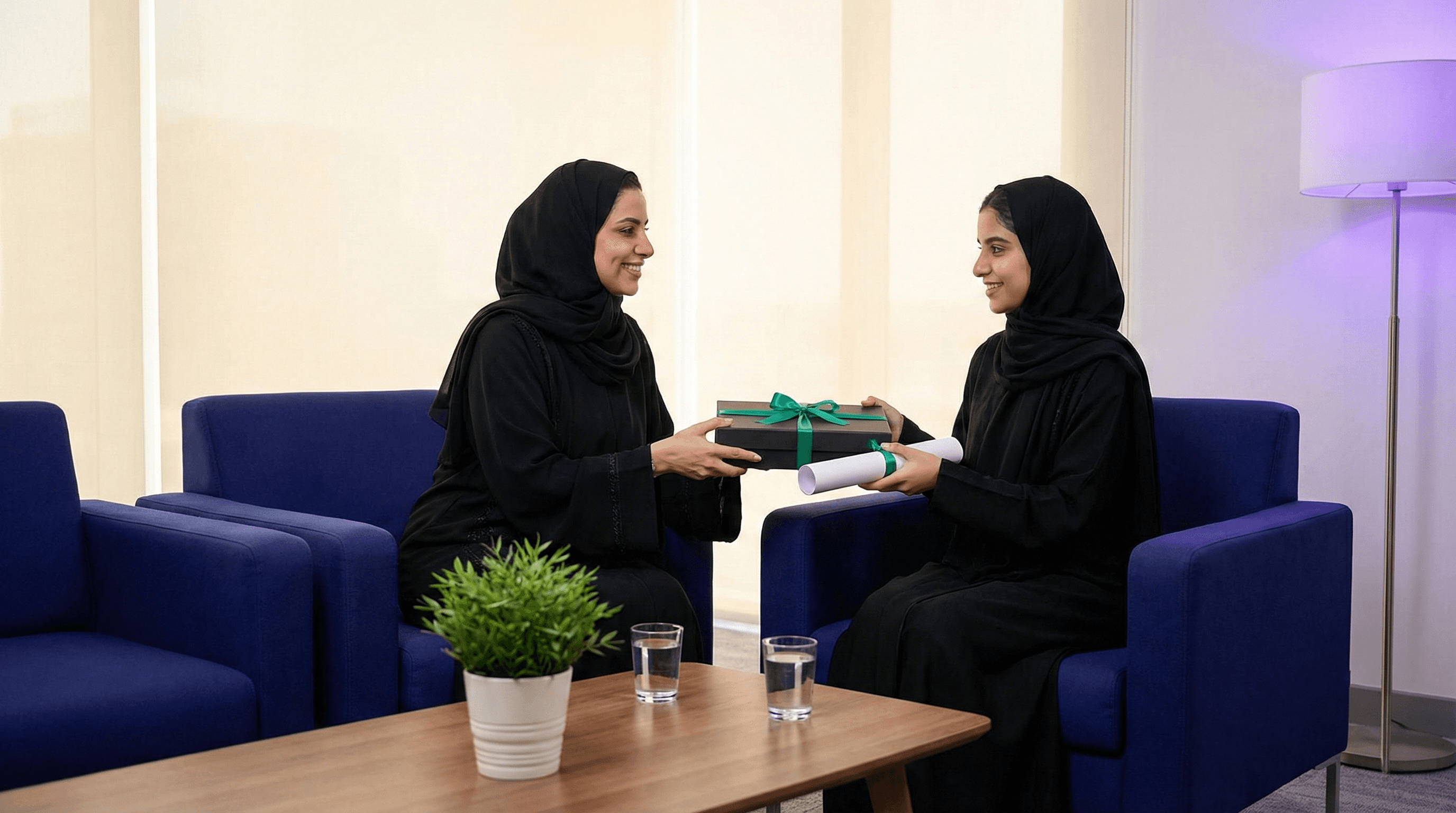
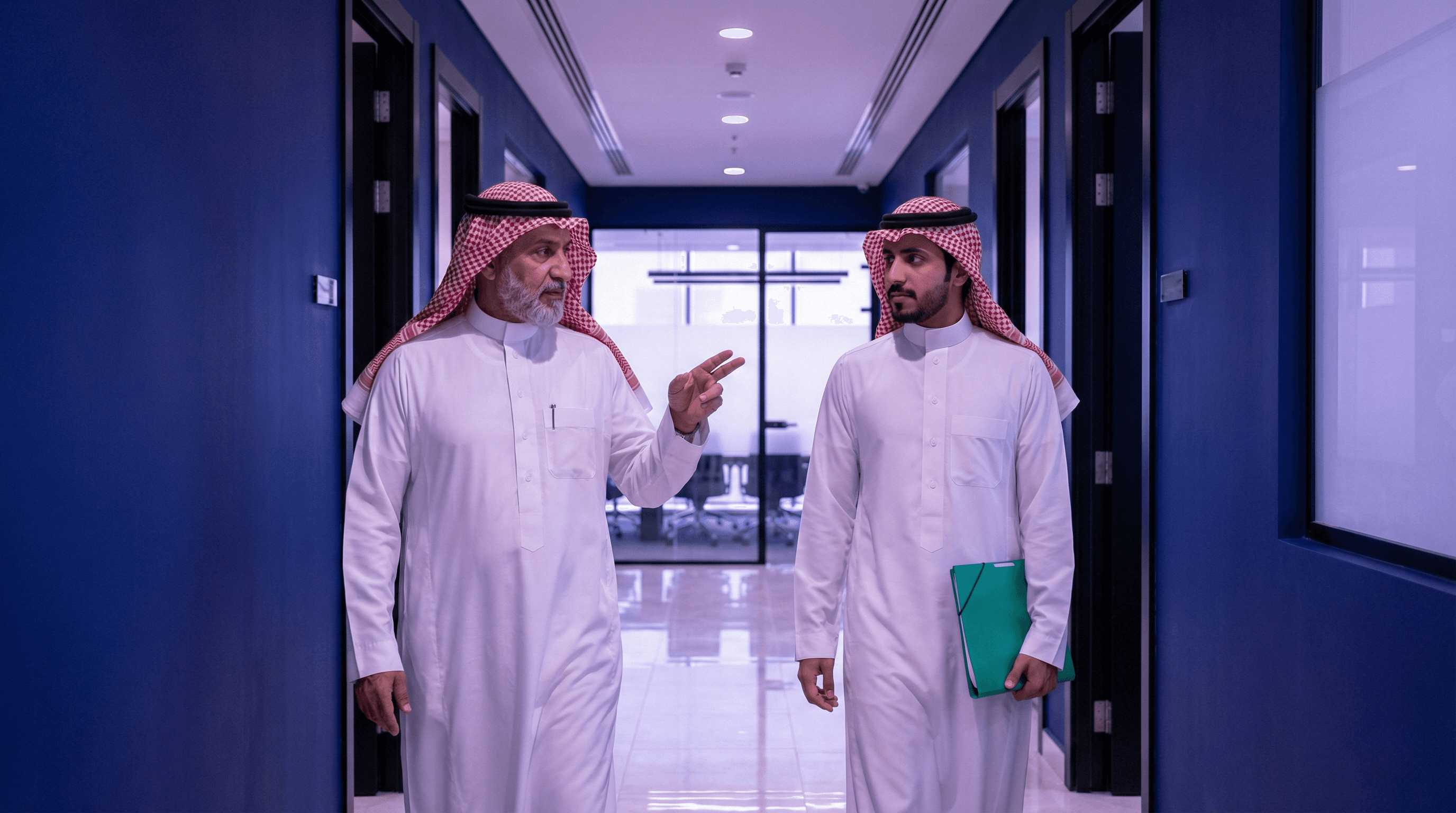
Most "Buddy Systems" in Saudi companies are superficial—someone to show the new hire the coffee machine. To fix communication gaps, you need a Cultural Translator.
• The Role: Pair the new hire with a culturally savvy insider who has a different communication style.
• The Intervention: After a tense meeting, the Translator explains the subtext: "When the VP said 'We will consider it,' he actually meant 'No.' In our culture, a direct 'No' is rare in public settings."
• The Result: This decoding process prevents the new hire from crashing into invisible cultural walls, accelerating their integration.
5. Teaching the "Art of Receiving Feedback"
Onboarding is stressful, and stressed people take feedback poorly. A critical component of a modern onboarding curriculum is teaching "The Art of Receiving Feedback."
• The Skill: As highlighted in recent management insights, employees must learn not to take every opinion seriously or personally. In a diverse Saudi workplace, feedback might be delivered in a way that feels unfamiliar (either too blunt or too subtle).
• The Training: Explicitly train new hires on how feedback flows in your organization. Does silence mean approval? Does a WhatsApp message count as a formal directive? Clarifying these norms reduces anxiety and defensiveness.
6. Digital Nudges for Connection
We can leverage HR Technology to scale this fix.
• The Nudge: Use your onboarding app to prompt the manager: "It’s Ahmed’s first week. He has a 'Personal' communication style. Have you asked him about his family or interests before diving into KPIs?"
• The Impact: These small, data-driven reminders help managers—who are often busy and task-focused—to modulate their style to connect with the new hire.
Website:https://www.inclusive.sa | Email: info@inclusivesolutions.com.sa
Join the newsletter
Be the first to read our articles.
Follow Social Media
Follow us and don’t miss any chance!