inclusive-team
Workforce
Under Saudi Labor Law, the standard probation period is 90 days. During this window, both the employer and the employee can terminate the contract with minimal notice and no indemnity. For many organizations, this period is treated as a passive "testing phase." They throw the new hire into the deep end and see if they swim.
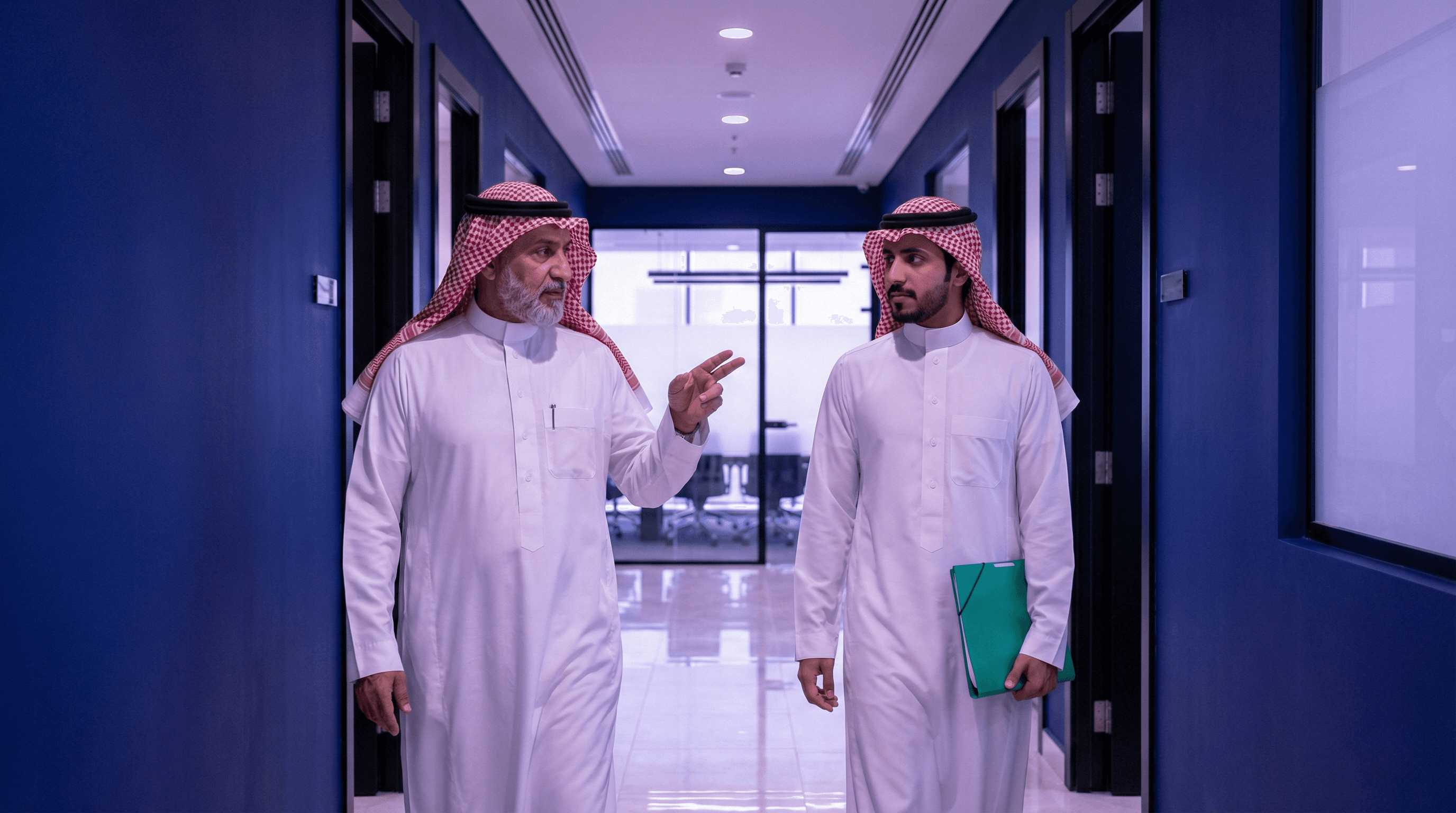
In the high-velocity employment market of Saudi Arabia, the first 90 days of employment are the "Kill Zone" for retention.
Under Saudi Labor Law, the standard probation period is 90 days. During this window, both the employer and the employee can terminate the contract with minimal notice and no indemnity. For many organizations, this period is treated as a passive "testing phase." They throw the new hire into the deep end and see if they swim.
The result? "Buyer’s Remorse."
New hires—especially those relocated from abroad or poached from competitors—often arrive with high expectations, only to be met with administrative chaos, unclear goals, and social isolation. Recent data suggests that a significant percentage of new hires decide whether they will stay long-term within their first six months. If the first 90 days are defined by friction rather than growth, you lose them.
To secure your investment, you must transition from a "Probation Mindset" (testing them) to a "Development Mindset" (investing in them).
We need to replace the standard "Orientation Checklist" with a robust 90-Day Training Plan. This plan does not just teach them how to do the job; it connects them to the purpose of the job, building the psychological safety and competence required for long-term retention.
The Psychology of the "New Start"
Why is development the key to retention in the early days? Because high-quality talent in the Vision 2030 era is driven by growth.
• The Signal: When an organization invests in training from Day 1, it signals: “We value you. We want you to succeed.”
• The Reality: Conversely, when onboarding consists solely of "filling out forms" and "setting up email," it signals: “You are just a resource.”
• The Gap: As highlighted in recent HR critiques, businesses often overlook the human element of onboarding. They focus on compliance (Iqama, Bank Account) but neglect connection. A training plan bridges this gap by giving the new hire a roadmap for their own success.
Phase 0: The "Pre-Boarding" Curriculum (Day -30 to Day 0)
Retention begins before the employee enters the building. The period between signing the contract and the start date—the "Valley of Death"—is where anxiety builds.
• Digital Learning: Don't wait for Day 1. Provide access to a "Pre-Boarding Portal."
• The Content: Share a "Welcome Video" from the CEO explaining the Vision 2030 alignment. Share a "Cultural Guide" for expatriates moving to Riyadh.
• The Impact: By the time they arrive, they already understand the company’s mission. They feel prepared, not panicked.
Days 1–30: The "Immersion" Phase
The goal of the first month is Cultural and Digital Fluency. You cannot expect high performance if the employee doesn't know how to navigate the system or the society.
• The "Buddy" System: Assign a peer mentor (not the manager) to guide them.
• Digital Tools Training: In KSA, this means mastering the government ecosystem as well as internal tools. Train them on how to use your self-service app for leaves, how to access their medical insurance (e.g., Bupa app), and how to navigate internal ticketing systems.
• Communication Styles: As noted in onboarding best practices, addressing "Communication Styles" is a fix that can save your program. A Western hire needs training on the high-context, relationship-based communication style of Saudi business culture to avoid early friction.
Days 31–60: The "Contribution" Phase
By the second month, the employee wants to feel useful. The training must shift from "passive consumption" to "active application."
• The "Quick Win" Project: Assign a small, manageable project with a clear deliverable.
• Skills-Based Coaching: Use your Skills Ontology to identify one specific technical gap (e.g., a specific project management software used in the Kingdom) and provide targeted micro-learning to close it.
• Feedback Loops: This is the critical adjustment period. Managers must provide weekly feedback—not to judge, but to coach. This prevents the "Quiet Cracking" phenomenon where a new hire struggles silently until they resign.
Days 61–90: The "Alignment" Phase
The final month of probation is about locking in the long-term future. This is where you answer the question: “Do I have a future here?”
• The Individual Development Plan (IDP): Co-create a 12-month IDP. As outlined in development guides, creating an impactful plan involves mapping current skills against future aspirations.
• Vision Connection: Show them how their role contributes to the HCDP or the company’s strategic goals.
• The "Pass" Meeting: Transform the end-of-probation meeting from a "Verdict" into a "Launchpad." Celebrate the completion of the 90 days and formally launch the IDP.
Training for Adaptability
What skills should be in this 90-day plan? While technical skills are role-specific, Adaptability is universal.
• The Market Demand: Recruiters and leaders increasingly view adaptability as the primary currency of talent.
• The Curriculum: Include modules on "Navigating Change," "Resilience," and "Problem Solving." In the fast-moving Saudi market, teaching a new hire how to pivot when regulations or project scopes change is more valuable than teaching them a static process.
The "Two-Tier" Onboarding Risk
A fatal error in many organizations is providing a "Gold Standard" 90-day plan for permanent staff while throwing outsourced staff into the job with zero training.
• The Risk: Outsourced staff often make up 50% of the team. If they fail, the project fails.
• The Inclusive Approach: Apply the "One Standard" model. Ensure that your Employee Outsourcing partner provides a structured onboarding and training pathway for their deployed staff. An outsourced engineer who understands your safety protocols and culture is an asset; an untrained one is a liability.
Conclusion: The Launchpad for Loyalty
The 90-Day Training Plan is your insurance policy against attrition. It costs significantly more to replace a hire than to train them. By structuring the first three months as a journey of growth rather than a trial by fire, you convert "New Hires" into "Brand Ambassadors."
Inclusive Solutions helps you structure this journey.
• Onboarding & Offboarding: We manage the "Valley of Death" (Pre-boarding) with digital visa processing and welcome kits that prepare the employee before they fly.
• HR Management & Consulting: We design Competency Frameworks and IDPs that align individual growth with business strategy.
• HR Technology: We provide Digital Onboarding Platforms that deliver training content ("Learning Bites") directly to the employee’s mobile,.
• Outsourcing: We ensure your contract workforce receives structured induction and training, reducing the risk of the "Two-Tier" culture.
The first 90 days determine the next 9 years. Invest wisely.
Website:https://www.inclusive.sa | Email: info@inclusivesolutions.com.sa
Join the newsletter
Be the first to read our articles.
Follow Social Media
Follow us and don’t miss any chance!