inclusive-team
E-Experience
In the race to meet Vision 2030 targets, the Saudi workforce is running a marathon at the pace of a sprint. From the construction sites of NEOM to the boardrooms of Riyadh, the pressure to deliver is unprecedented.

In the race to meet Vision 2030 targets, the Saudi workforce is running a marathon at the pace of a sprint. From the construction sites of NEOM to the boardrooms of Riyadh, the pressure to deliver is unprecedented.
In this environment, "Employee Wellbeing" is no longer a soft perk; it is a hard operational necessity. Yet, for many organizations, the wellbeing strategy begins and ends with a single plastic card: The Class C Medical Insurance policy.
Providing the regulatory minimum (Council of Health Insurance compliance) is often seen as "job done." However, this compliance-driven mindset ignores a fundamental reality: A policy that offers limited networks and long approval wait times does not keep people healthy. It keeps them anxious.
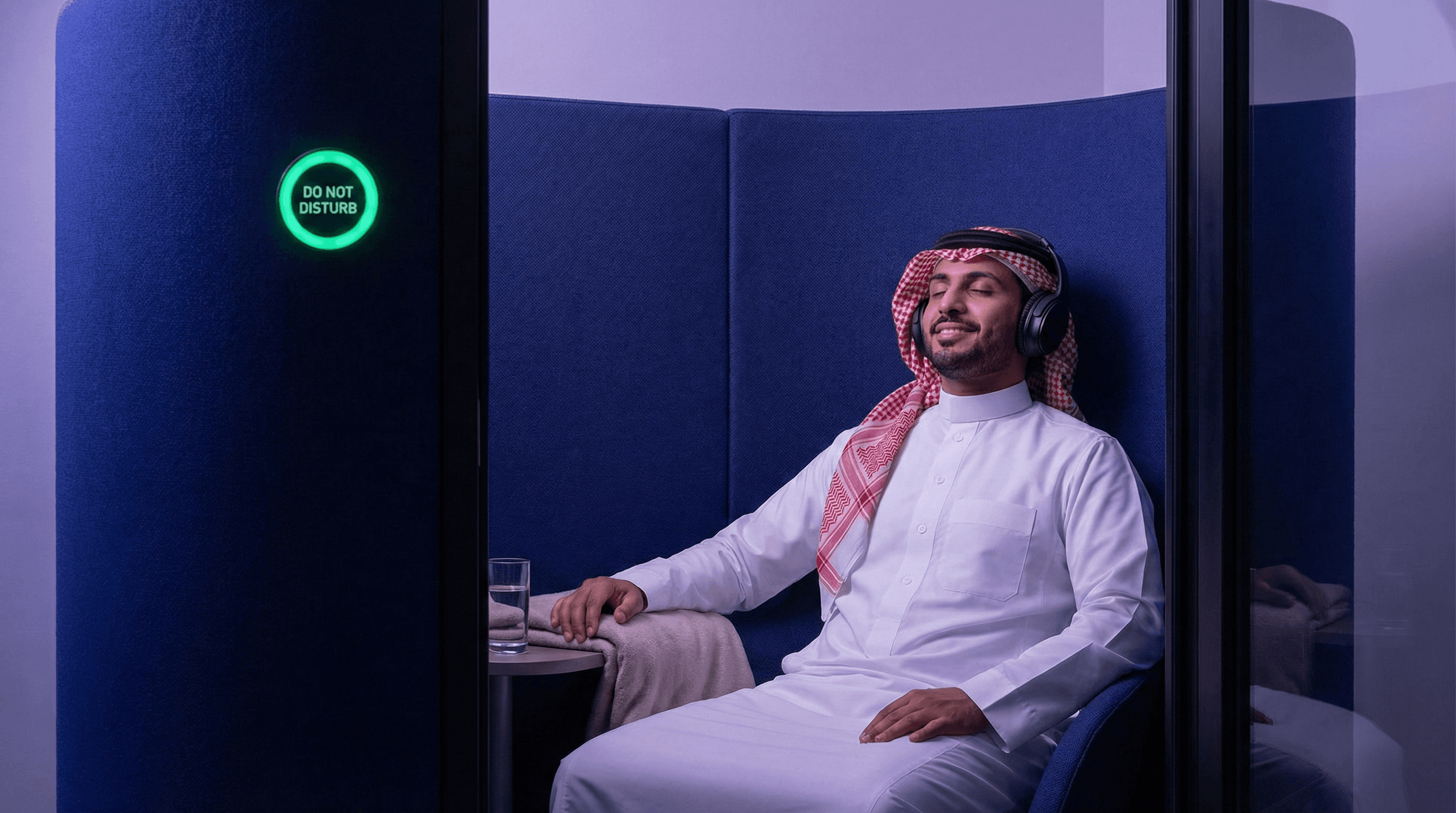
As we witness the rise of "Quiet Cracking"—the hidden strain beneath the surface of high-performing teams—it is time to redefine wellbeing. We must move beyond basic medical coverage to a holistic model of Total Well-Being that protects the mental, financial, and physical resilience of our human capital.
1. The High Cost of "Cheap" Insurance
In the Saudi market, medical insurance is tiered (VIP, Class A, B, C). Many organizations assign Class C to their junior or outsourced staff to save costs.
This is a false economy.
• The Access Gap: Lower-tier policies often exclude the best hospitals and require lengthy approvals for basic treatments.
• The Productivity Cost: An employee waiting 3 days for a referral approval is an employee who is distracted, absent, or working while sick ("Presenteeism").
• The Strategic Shift: Leading organizations view health benefits as an investment in "Uptime." Upgrading your workforce to better coverage (e.g., partnerships with premium providers like Bupa Arabia) reduces the friction of accessing care, getting your talent back to work faster.
2. "Quiet Cracking" and the Mental Health Blind Spot
While physical health is mandated by law, mental health is often ignored. This neglect is fueling a phenomenon known as "Quiet Cracking". High-potential employees, under immense pressure to deliver Giga-projects, are burning out silently because they fear that admitting stress will look like weakness.
• The Stigma: In the region, mental health discussions have historically been taboo.
• The Solution: We must normalize Employee Assistance Programs (EAP). These provide confidential counseling services.
• The Leadership Role: Wellbeing isn't just a policy; it's a culture. Leaders must model healthy behaviors. As recent critiques suggest, "Unlimited PTO" sounds generous, but if the culture punishes people for actually taking sick days (e.g., for serious illness), the benefit is worthless.
3. Financial Well-Being: The Forgotten Pillar
Inflation and the cost of living are rising globally and locally. Financial stress is a primary driver of employee distraction.
A modern wellbeing strategy includes Financial Inclusion.
• Banking Support: For new expatriates or junior staff, opening a bank account can be a hurdle.
• Loan Facilitation: Providing access to car loans, personal loans, or salary advances helps employees manage cash flow without falling into predatory debt.
• The Inclusive Approach: At Inclusive Solutions, we actively facilitate Bank Account Opening and Loan Support for our outsourced staff, recognizing that financial stability is a prerequisite for professional focus.
4. Structural Wellness vs. "The Fruit Basket"
There is a cynicism in HR circles about "Wellness Initiatives" that consist of yoga classes or fruit baskets, while the underlying work culture destroys health.
Structural Wellness means designing work that is sustainable.
• Policy Redesign: Review your attendance and sick leave policies. Do they support recovery, or do they force sick people to come to the office to avoid salary deductions?
• The "One Standard" Ethic: Do not segregate wellbeing. If your permanent staff gets "Gold" wellness benefits and your outsourced team gets nothing, you create a "Two-Tier" culture that breeds resentment. A unified approach ensures every person contributing to your project is physically and mentally capable of doing so.
5. The Digital Health Ecosystem
Saudi Arabia’s digital health infrastructure (Sehhaty, Tawakkalna) is world-class. Your corporate wellbeing strategy should integrate with it.
• Telemedicine: Offer digital health subscriptions that allow employees to consult doctors via video. This is crucial for remote sites where physical clinics may be distant.
• Data-Driven Wellness: Use anonymized data from insurance claims to identify trends. Are you seeing a spike in stress-related conditions (hypertension, migraines)? Use this data to deploy targeted interventions, such as mandatory "No-Meeting Fridays" or stress management workshops.
Website:https://www.inclusive.sa | Email: info@inclusivesolutions.com.sa
Join the newsletter
Be the first to read our articles.
Follow Social Media
Follow us and don’t miss any chance!