inclusive-team
HR digital
In the fast-paced business environment of Riyadh and Jeddah, a silent productivity killer is plaguing HR departments. It is not a lack of talent or a lack of strategy; it is the "WhatsApp Trap."
In the fast-paced business environment of Riyadh and Jeddah, a silent productivity killer is plaguing HR departments. It is not a lack of talent or a lack of strategy; it is the "WhatsApp Trap."
Walk into any HR office in the Kingdom, and you will likely see Government Relations Officers (GROs) and HR Coordinators buried under a barrage of messages: “When does my Iqama expire?”, “Can you send me a salary introduction letter for the bank?”, “How many days of vacation do I have left?”, “Is medical insurance covered for my third child?”
These questions are necessary, but answering them manually is a profound waste of human capital. In an era where Vision 2030 demands that HR leaders become strategic architects of human capability, spending 60% of the day answering repetitive administrative queries is no longer sustainable.
The solution lies in a technology that has matured rapidly: HR Chatbots and Conversational AI. By automating the mundane, Saudi organizations can reshape employee support from a reactive, slow process into an instant, 24/7 digital experience.
The "Admin Avalanche" in Saudi Organizations
The administrative burden in Saudi Arabia is unique compared to other markets due to the regulatory landscape. The lifecycle of an expatriate employee, for instance, involves constant document processing: Iqama renewals, re-entry visas, medical insurance updates, and driving license attestations.
For a company with 500 employees, this generates thousands of "Tier 1" inquiries annually.
• The Traditional Model: The employee emails HR or messages a GRO. The request sits in a queue. The employee chases up. HR gets frustrated. The response takes 24-48 hours.
• The Cost: This friction damages the Employee Experience (EX). In a digital-first nation where government services via Absher are instant, employees expect their employer to be equally fast.
Enter the Digital HR Assistant
Modern HR chatbots are not the clunky "FAQ bots" of five years ago. Powered by Generative AI and integrated into HR Management Systems (HRMS), they act as intelligent digital assistants capable of executing tasks, not just answering questions.
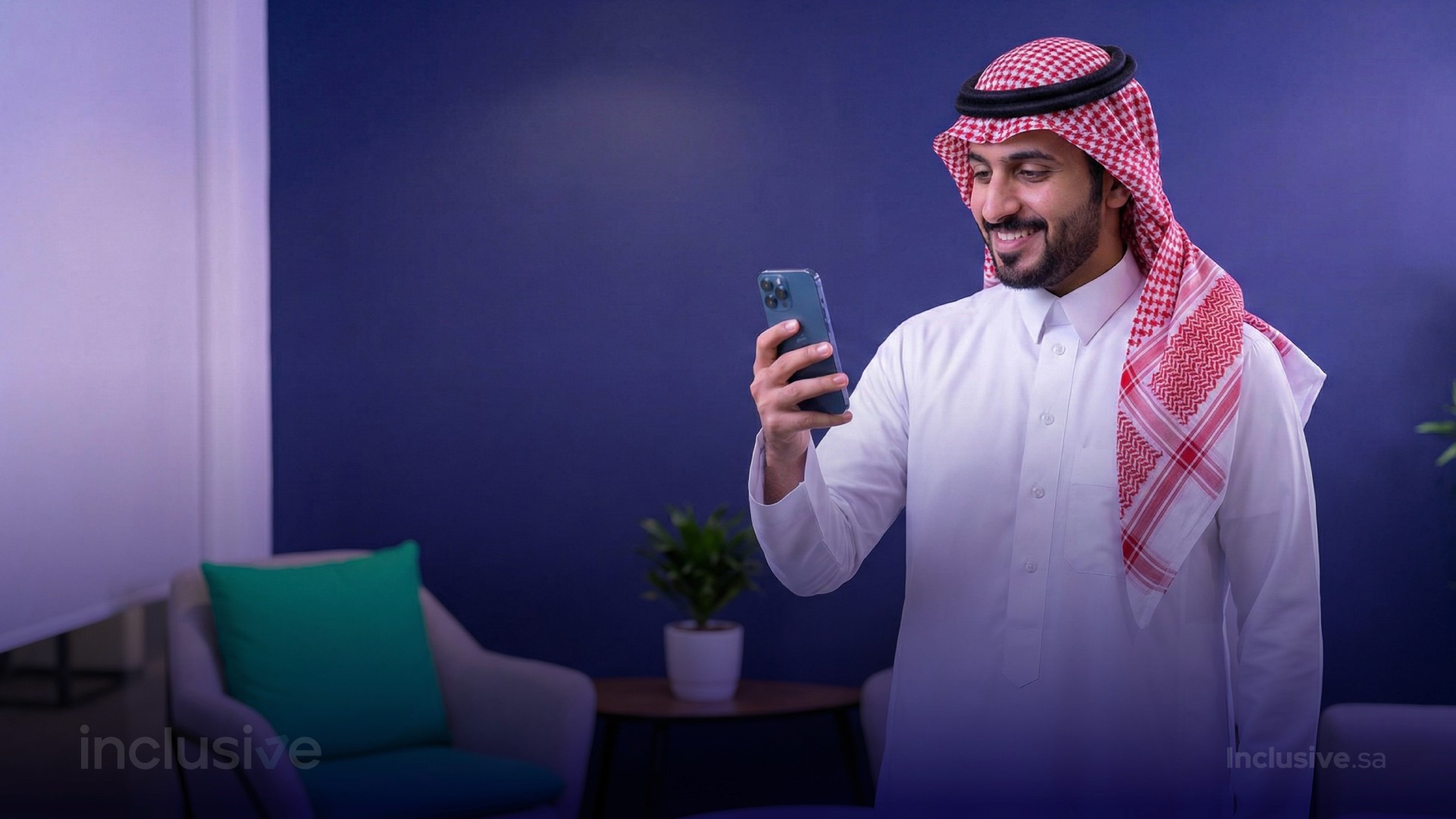
Imagine an employee named Ahmed. Instead of emailing HR, he opens the company’s WhatsApp for Business or MS Teams channel.
• Ahmed: "I need a salary certificate for a personal loan."
• Chatbot: "Sure, Ahmed. Do you need it attested by the Chamber of Commerce?"
• Ahmed: "No, just a standard digital copy."
• Chatbot: "Processing... Here is your PDF, signed and stamped."
Time elapsed: 30 seconds. HR involvement: Zero.
Key Use Cases for KSA Workforces
To deliver value, chatbots must be programmed with the specific context of the Saudi market. Here are the high-impact use cases:
1. The "Document Dispenser"
In KSA, the "Salary Introduction Letter" is the currency of personal finance. Employees need them for everything from renting an apartment to buying a car. Automating the generation of these letters (in Arabic and English) is the single quickest win for reducing HR administrative load.
2. Government Relations (GRO) Status Checks
Employees are often anxious about their legal status. A chatbot integrated with your internal data (which is synced with Muqeem) can instantly answer:
• "When does my Re-Entry visa expire?"
• "Has my Iqama renewal been submitted?" This transparency reduces anxiety and stops the "chasing" culture.
3. Policy Interpretation (The "Right" Answer)
Saudi Labor Law is specific. If an employee asks, “Am I entitled to full pay during Hajj leave?”, a generic AI might give a wrong answer based on global standards. A localized HR chatbot, trained on your specific policy and MHRSD regulations, will answer accurately: “Yes, you are entitled to 10 to 15 days of paid leave for Hajj once every five years, provided you have served at least two years with us.”
4. Onboarding Navigation
For new hires, especially expatriates arriving in Riyadh for the first time, the questions are endless.
• "Where is the nearest prayer room?"
• "How do I add my wife to my Bupa insurance?"
• "What is the dress code policy?" A chatbot acts as a 24/7 "buddy," guiding them through the culture and logistics without making them feel like a burden on their manager.
The Human-in-the-Loop: Escalation Protocols
While automation is powerful, we must remember the "Human Experience" principle. As noted in recent industry analysis, human connection trumps AI during crises or complex grievances.
A successful chatbot strategy uses a Tiered Support Model:
• Tier 1 (AI): Handles factual, repetitive queries (Leave balance, documents, policy FAQs).
• Tier 2 (Human): Complex issues or exceptions. If the chatbot cannot answer, it must seamlessly "hand over" the chat to a live HR advisor without losing the context.
Example: An employee types, “I want to resign because my manager is bullying me.”
• Bad Bot: "Here is the resignation form."
• Good Bot: Detects keywords ("bullying"). "I am sorry you are going through this. I am connecting you with a senior Employee Relations representative immediately."
Compliance: The Risk of "Hallucinations"
A critical warning for CEOs and HR Directors: Do not use open, public AI models (like standard ChatGPT) for HR support.
Public models can "hallucinate" or invent legal rights that do not exist in Saudi Labor Law. Furthermore, feeding employee data into public models violates data privacy standards. You must use Closed-Loop Systems—chatbots that only retrieve answers from your verified documents (Employee Handbook, Saudi Labor Law text, Insurance Policy).
This ensures that the advice given is legally binding and compliant with the latest Ministry decrees.
Cultural Readiness: Why KSA is the Perfect Market
Saudi Arabia has one of the highest smartphone penetration rates in the world. The population is digitally native and accustomed to interacting with sophisticated government apps like Tawakkalna and Sehhaty.
Implementing an HR chatbot is not a "culture shock" for the Saudi workforce; it is meeting them where they already are. It signals that your organization is modern, efficient, and respectful of their time.
From "Ticket Solver" to "Strategic Advisor"
The ultimate goal of this technology is not just to answer questions faster; it is to change the job description of your HR team.
When you remove 500 hours of administrative Q&A from your HR Business Partner’s year, you effectively give them 500 hours to focus on:
• Saudization Strategy: Building relationships with universities.
• Talent Development: Coaching high-potential leaders.
• Culture: Driving engagement initiatives.
You are not replacing HR professionals; you are unleashing them.
Conclusion: Integrated Tech for a Human Future
The future of employee support in Saudi Arabia is hybrid: digital speed for the mundane, human empathy for the meaningful. But building this infrastructure requires more than just buying software; it requires a partner who understands the technology, the labor law, and the local culture.
Inclusive Solutions delivers this integrated ecosystem.
• HR Technology & Digital Solutions: We implement secure, localized Chatbots and AI-enabled HR support designed specifically for the Saudi market.
• Employee Outsourcing Services: For clients who want to offload the administrati...
Website:https://www.inclusive.sa | Email: info@inclusivesolutions.com.sa
Join the newsletter
Be the first to read our articles.
Follow Social Media
Follow us and don’t miss any chance!